Hornby: What's Actually Worth Buying (and What Isn't)
Hornby's range runs from £5 buffer stops to £300 locomotives, and the price tells you less than you'd hope about what's worth owning. Here's where the value actually sits for someone building an OO layout.
Hornby: What’s Actually Worth Buying (and What Isn’t)
Hornby’s catalogue is enormous and not evenly good. Some of it is the obvious choice for a British OO layout and some of it exists because it sells to people buying a present rather than building a railway. The price tag tells you less than you’d hope about which is which.
What follows is where I think the value sits, from the perspective of someone building a small spare-room layout rather than collecting. I run a mixed roster and an ESU ECoS rather than Hornby’s own digital kit, so this isn’t loyalty talking.
The RailRoad range is the interesting one
RailRoad is Hornby’s budget line. The received wisdom is that it’s the compromise option, and on some models that’s fair. Simplified detail, fewer separately fitted parts, less refined livery application. On others it’s the sensible buy, and the small tank engines are where that’s clearest.
A first layout needs a locomotive that will shunt a siding patiently and cost little enough that you don’t panic when it derails. The RailRoad BR 0-4-0 tank engine is £50.99 and does exactly that. The Class 264 ‘Pug’ is £49.49 and much the same proposition.
The one worth stretching for is the RailRoad SE&CR 0-6-0 tank engine at £66.99, because it’s six-coupled rather than four. Three driven axles pick up current from more wheels, and current collection is the single most common cause of a small loco stalling on points. That matters far more on a shunting layout than any amount of extra detail, since you’ll be running slowly over pointwork all evening.
Two honest cautions. The 0-4-0s have a short wheelbase and will happily take tight curves, but they’re generic rather than accurate models of anything in particular, so if you care about matching a specific prototype they won’t satisfy. And RailRoad is least convincing on express passenger steam, where the simplifications show most on a big locomotive you’ll be looking at side-on all evening. If you’re buying one hero loco, that’s where to spend up to the main range instead.
Worth knowing before you go shopping for a shunter: the Class 08 diesel, the obvious choice for a British goods yard, is not a RailRoad model. It sits in the main range at £176 to £264 depending on livery and whether it’s sound-fitted, and most versions are currently pre-order rather than in stock. It’s a lovely thing and it is not a budget entry point.
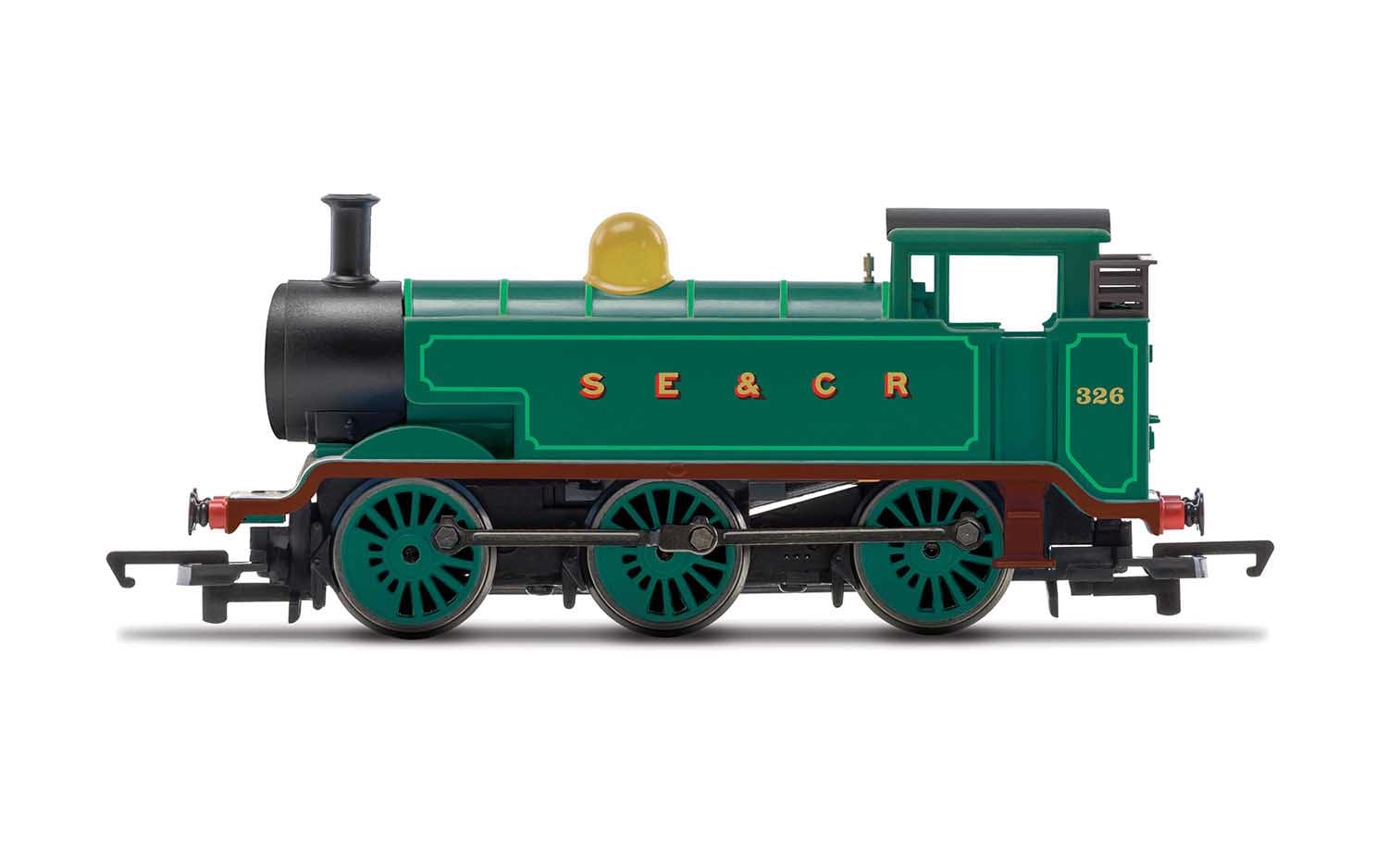
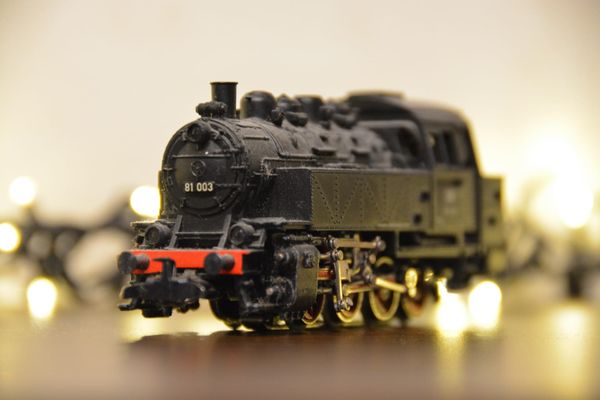
The RailRoad SE&CR 0-6-0 tank engine. Six coupled wheels rather than four means better current collection over pointwork, which matters more on a shunting layout than extra detail does. Image supplied by Hornby.
Track: the extension packs are a trap after the first one
Hornby sells track in lettered extension packs, A through F and beyond. Each one adds a suggested step to a growing layout. Extension Pack A is £25.30 and gives you a point, some straights, a curve and a buffer stop, which turns a plain starter oval into an oval with a siding. That’s a real improvement and a fair way to spend the money.
The trouble starts around pack C. The packs are designed to build toward Hornby’s own suggested layouts, not toward the layout you’ve drawn. Buy three or four of them and you end up with a box of track that nearly fits your plan, plus a surplus of curves you didn’t want. It’s the same money for less of what you need.
Once you know what you’re building, buy the individual pieces your plan calls for instead. It costs slightly more per item and considerably less overall. This is also the point where it’s worth reading up on set-track versus flexible track, because Setrack’s fixed geometry is exactly what makes the packs convenient and what makes them limiting.
One caution worth knowing: Hornby’s standard track is Code 100, which has a taller rail profile than the Code 75 that finer-scale modellers use. Code 100 is more forgiving of older wheel flanges and it’s what almost every train set contains. Mixing the two on one layout is possible but needs adaptor pieces, so pick one and stay with it.
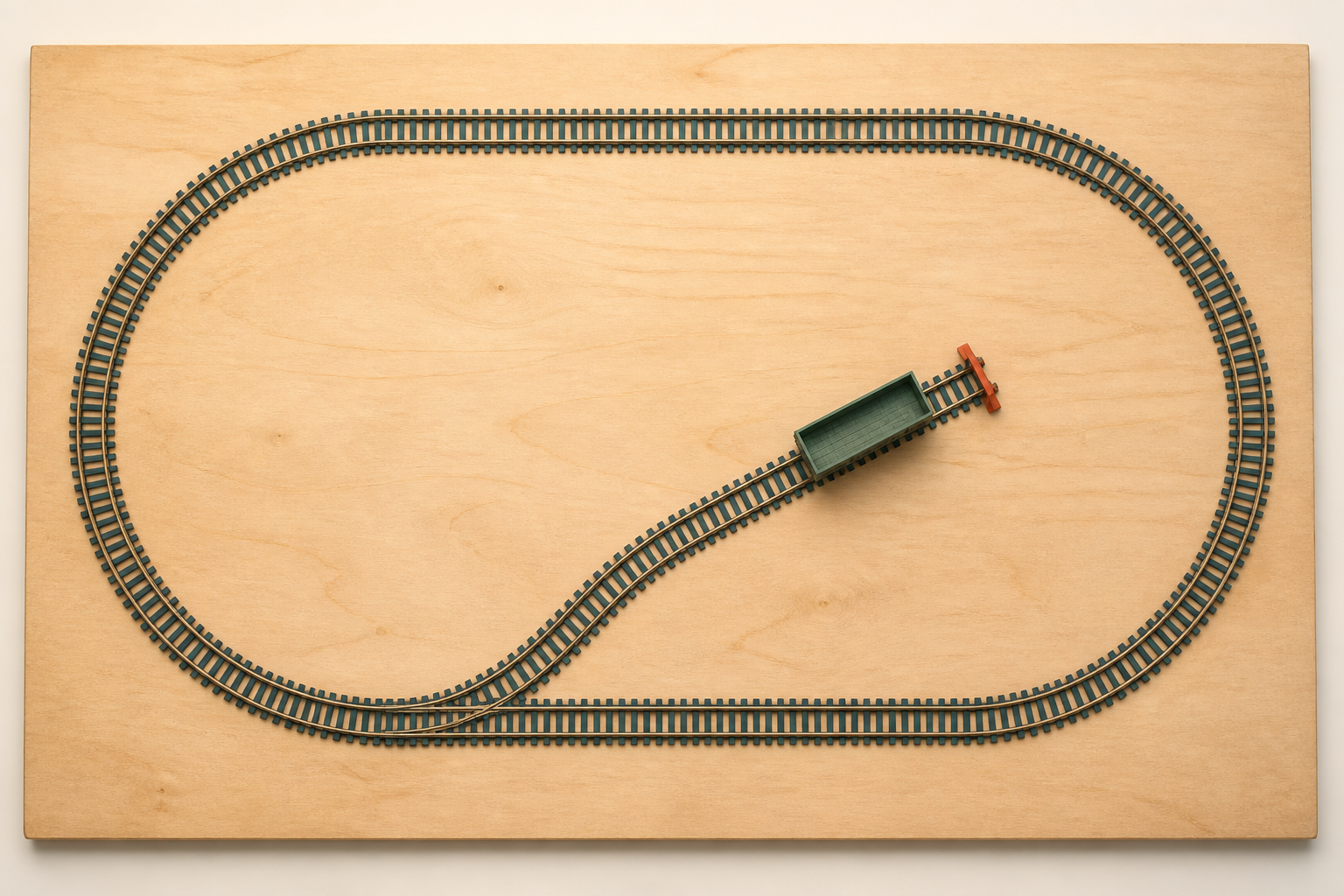
This is what one extension pack buys you: a point off the oval into a short siding with a buffer stop. It is the single change that turns watching a train into operating one.
Power, and the bit that catches people out
The transformer that came with a starter set is usually adequate for one loco on a small oval and not much more. If you’re going digital with Hornby’s system, the power arrangement is a little fiddlier than it first appears, because the HM7000 decoders need track power but no command station.
The HM7020 power supply adapter is the piece that connects a Hornby PSU straight into the power track, which is what you need if you’re driving from the app with no controller in the circuit. On its own it’s £7.99. If you don’t already have a suitable 15V supply, the bundle with the 15V 4 amp mains transformer is £59.99 and saves working out compatibility yourself. Both are showing as pre-order at the time of writing, so check availability before you plan around them.
This catches people because the marketing quite reasonably emphasises that you don’t need a command station, and it’s easy to read that as not needing anything. You still need to get power to the rails.
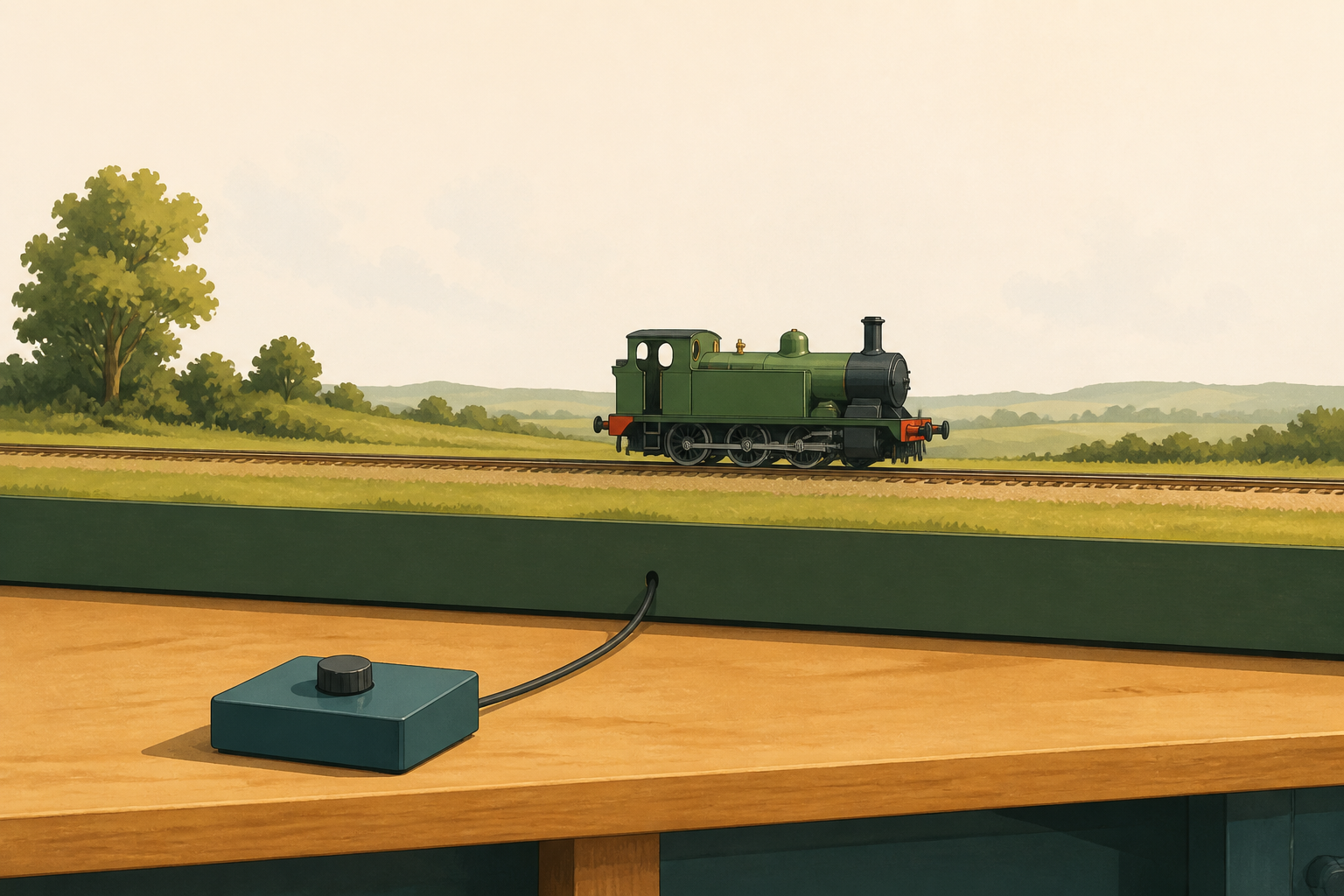
However you end up controlling the layout, power still has to get from the bench to the rails. Skipping the command station does not skip this part.
The digital side
Hornby’s HM7000 Bluetooth decoders let you drive from a phone with no command station, which is the cheapest honest route into digital control and sound if you haven’t already bought a system. The 8-pin sound version suits most OO locos built between about 2000 and 2015 and lists at £64.99.
Worth doing the sum before you commit, though. A £51 tank engine plus a £65 sound decoder is £116, which is more than the loco. On a first layout, running reliably matters more than sounding right, so I’d get the trains moving properly first and add sound to one loco later.
I’ve written about how the HM7000 actually works and where it runs out of road separately, so I won’t repeat it here. The short version for a buying decision: good for a first layout or for putting sound in one loco, less good if you want to drive three trains at once.
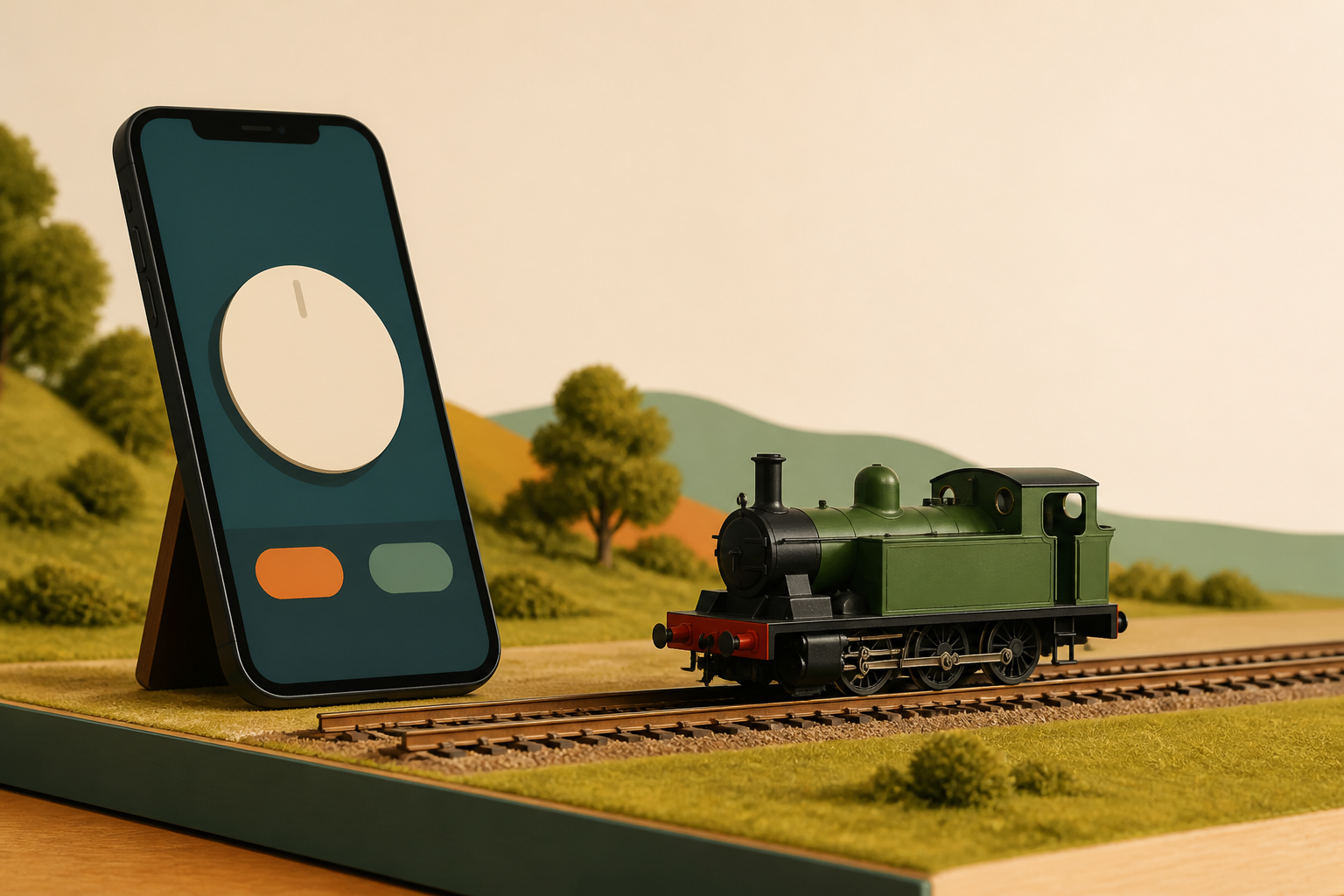
With an HM7000 decoder in the loco, the phone is the controller. Track power goes down, the app does the rest.
Where I’d actually start
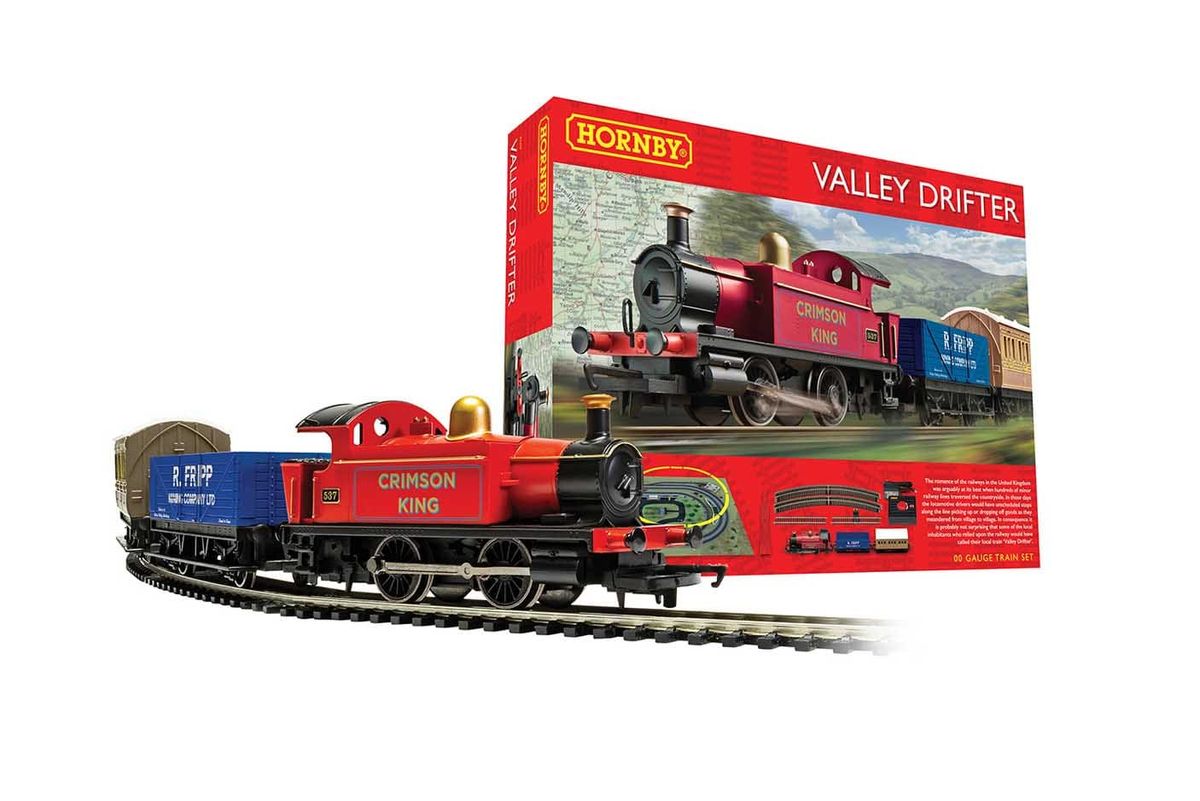
If you’re beginning from nothing and want a sensible order, it’s this. A starter set or a small oval with a decent transformer. Something like the Valley Drifter set at £98.99 gets you a loco, a couple of wagons, a circle of track and a controller in one box, which is cheaper than assembling the same thing piece by piece. Then one extension pack to get a point and a siding, because operating something is more satisfying than watching a train go round. Then a shunter, because it makes the siding worth having.
After that, stop buying and draw a plan. Everything from that point should be bought against the plan rather than against what’s discounted, and that single habit will save you more money than any individual buying decision on this page.
The thing nobody tells you is that the box of track you accumulate by drifting costs about the same as the layout you’d have built on purpose.
Prices quoted are Hornby UK RRP at the time of writing and move around. Check the current figure before ordering.